
More than most North American cities, Montreal unfolds as a collection of distinct boroughs, municipalities, and residential enclaves — each shaped by its own architecture, pace, and cultural identity.
Some revolve around grand stone homes and century-old parks, others around café-lined commercial arteries, waterfront promenades, or former industrial corridors reclaimed by contemporary city life.
For those considering buying real estate in Montreal, understanding the character of each area is often just as important as understanding the property itself. From historic residential strongholds to evolving urban quarters and lakeside communities, these are some of the island’s essential boroughs — and what continues to define them today.
Westmount
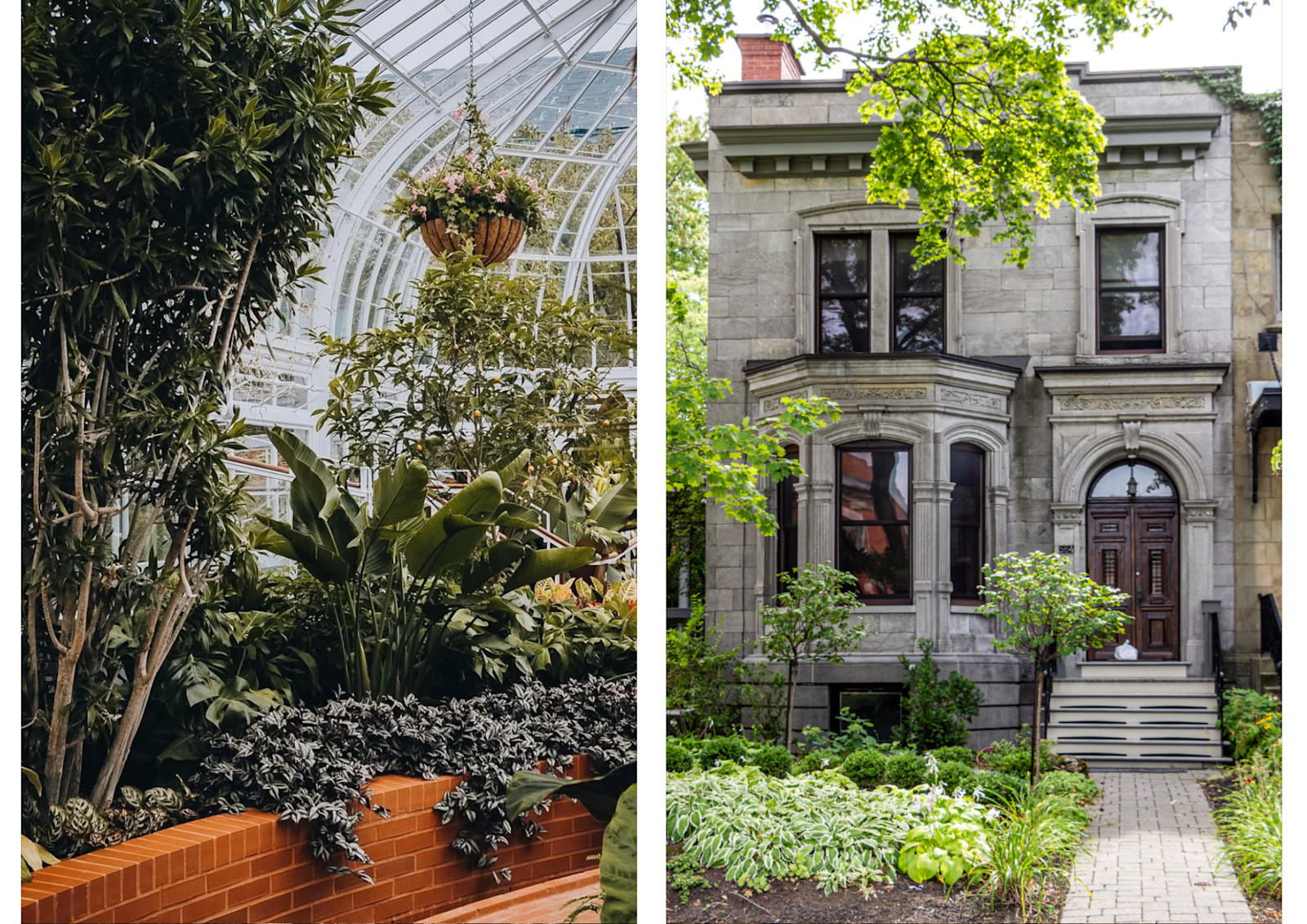
Developed largely between the late 19th and early 20th centuries as Montreal’s preeminent anglophone enclave, Westmount remains one of the most architecturally significant residential neighbourhoods in Canada. Its steep, winding streets are lined with stately greystones, Tudor Revival residences, and meticulously preserved heritage homes that speak to the city’s historic mercantile wealth.
Today, the neighbourhood continues to attract buyers seeking large family homes, luxury condominiums along Sherbrooke Street, and properties with enduring architectural pedigree. While many residences have been comprehensively modernized, the area still retains an extraordinary concentration of original craftsmanship, from carved millwork and stained glass to intricate masonry and slate roofing.
What we love most about Westmount is its balance. Despite sitting minutes from downtown Montreal, the neighbourhood feels remarkably insulated — defined less by density than by greenery, quiet streets, and an enduring sense of permanence.
Outremont
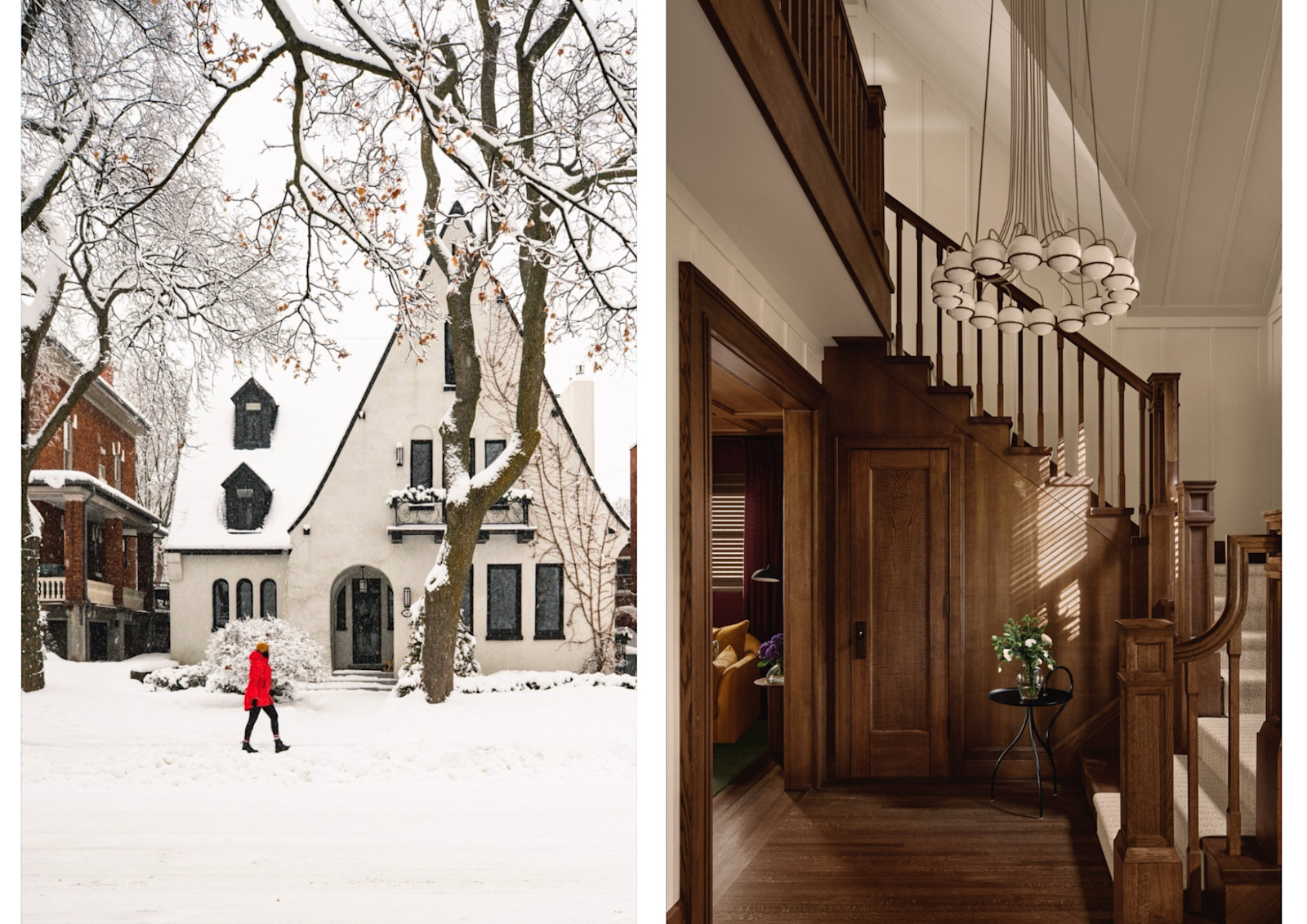
Originally established as an independent municipality in the late 19th century, Outremont emerged as one of Montreal’s most refined residential quarters, attracting affluent francophone families drawn to its elegant homes, broad avenues, and proximity to Mount Royal.
Architecturally, the neighbourhood remains among the city’s most cohesive. Stone duplexes, detached residences, Beaux-Arts apartment buildings, and carefully preserved early-20th-century homes define much of its residential fabric, while Bernard Avenue and nearby commercial corridors maintain a distinctly local rhythm.
Luxury in Outremont tends to feel understated rather than overt. Buyers are often drawn not only to the scale and beauty of the homes themselves, but to the quality of life surrounding them — independent cafés, specialty grocers, excellent schools, and a strong sense of continuity between generations.
What we love most about Outremont is its restraint. Even as Montreal evolves around it, the neighbourhood continues to feel deeply rooted in its own identity.
Plateau Mont-Royal
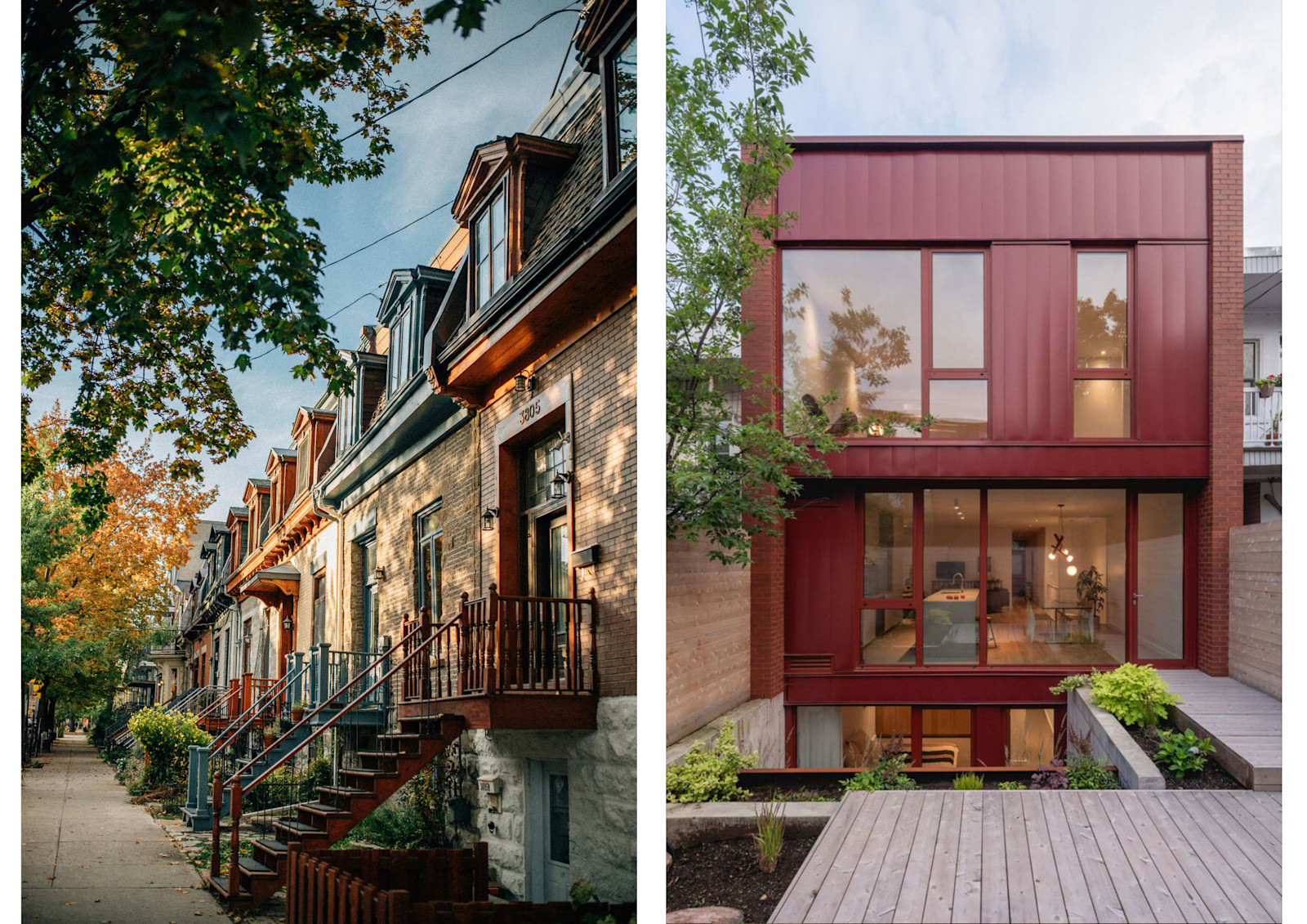
Long associated with Montreal’s artistic and intellectual communities, the Plateau has evolved from a historically working- and middle-class district into one of the city’s most recognizable and sought-after residential areas. Its identity is shaped by colourful triplexes, exterior staircases, tree-lined streets, and a commercial culture that remains deeply tied to independent businesses.
The neighbourhood’s luxury market tends to revolve less around overt grandeur than around rarity and character. Renovated upper duplexes, architecturally restored triplexes, design-forward single-family homes, and discreet contemporary interventions all form part of the Plateau’s increasingly competitive residential landscape.
What we love most about the Plateau is its energy. Few areas in Montreal feel as consistently alive — not through spectacle, but through the steady rhythm of cafés, bookstores, terraces, markets, and everyday urban life.
Sud-Ouest
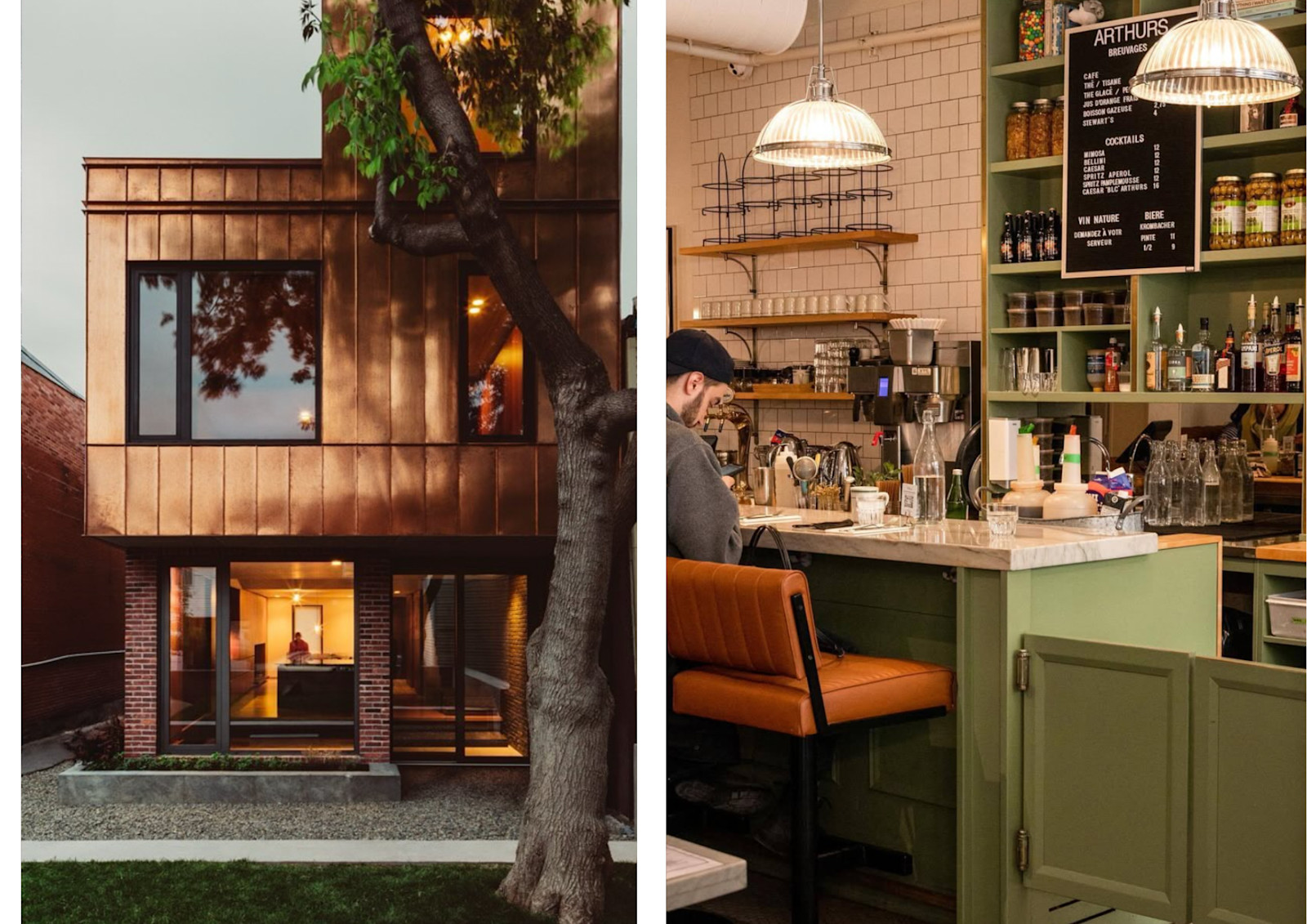
The Sud-Ouest owes much of its identity to Montreal’s industrial past. Neighbourhoods such as Saint-Henri, Griffintown, Pointe-Saint-Charles, and Little Burgundy developed around factories, warehouses, rail yards, and the Lachine Canal, which once served as one of the country’s most important commercial corridors.
Over the past two decades, the borough has undergone one of the city’s most dramatic transformations. Former industrial buildings have been converted into lofts and condominiums, while new residential developments continue to reshape the area’s skyline. Today, luxury real estate in the Sud-Ouest ranges from canal-side penthouses and contemporary townhomes to expansive warehouse conversions with original brick, timber, and steel detailing.
What we love most about the Sud-Ouest is its contrast. The borough still carries traces of its industrial roots, yet feels deeply contemporary — animated by restaurants, cafés, galleries, and a level of urban energy that continues to attract buyers seeking a more connected way of living.
NDG
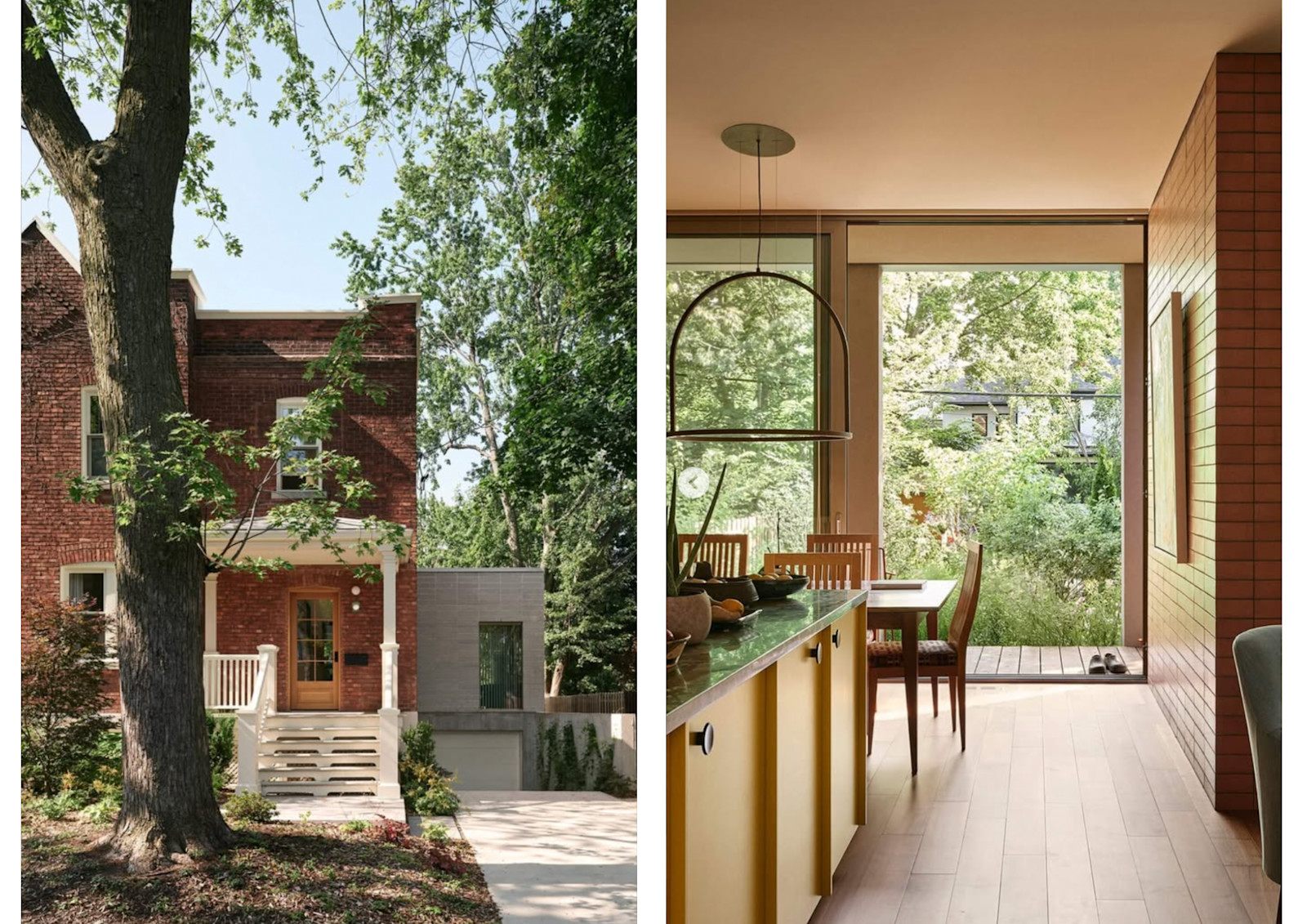
Notre-Dame-de-Grâce developed rapidly in the early 20th century as Montreal expanded westward, becoming one of the city’s quintessential residential neighbourhoods. Defined by broad tree-lined streets, duplexes with exterior staircases, and a strong sense of local identity, NDG has long appealed to families, students, and professionals seeking a more grounded urban lifestyle.
The area’s housing stock is varied but cohesive, with attached homes, detached family residences, and income properties contributing to a market that remains comparatively accessible relative to neighbouring luxury districts. Increasingly, buyers are recognizing the long-term value of NDG’s architecture, lot sizes, and community-oriented character.
What we love most about NDG is its livability. It is a neighbourhood that feels genuinely inhabited — active without being overwhelming, established without feeling static.
Old Montreal
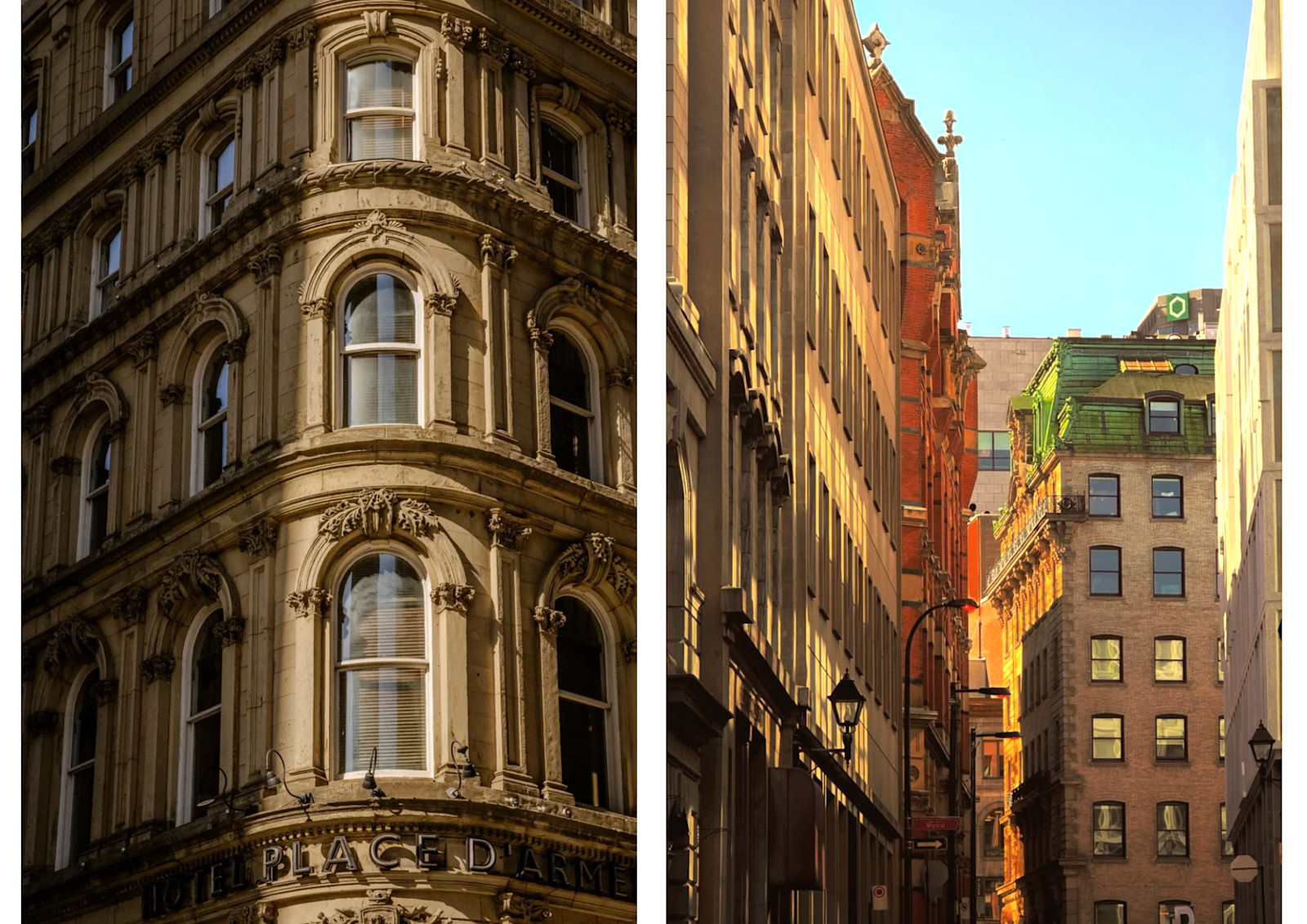
As the historic birthplace of the city, Old Montreal remains one of North America’s most architecturally distinctive urban quarters. Cobblestone streets, neoclassical buildings, and centuries-old stone façades create an environment that feels unusually European in both rhythm and scale.
Residential real estate here is defined largely by converted warehouses, boutique condominium projects, and heritage buildings reimagined for contemporary living. High ceilings, exposed stone walls, timber beams, and river views are common characteristics within many of the area’s luxury residences.
What we love most about Old Montreal is its atmosphere. Few neighbourhoods in the city offer the same sense of immersion — where history, hospitality, architecture, and urban life intersect so naturally.
The Golden Square Mile
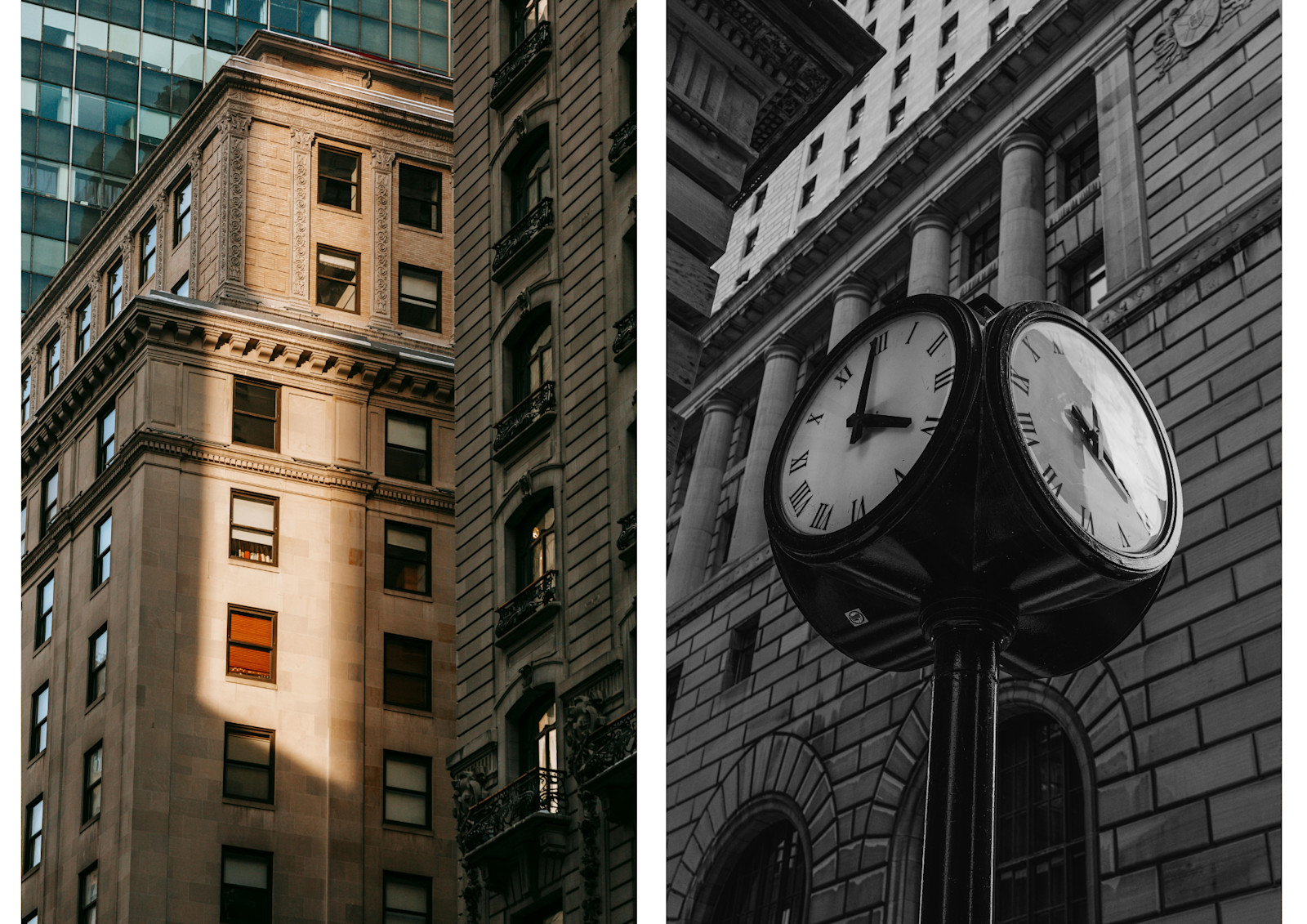
During the late 19th and early 20th centuries, the Golden Square Mile emerged as the centre of Montreal’s economic and social elite. Magnificent mansions once lined the slopes beneath Mount Royal, many of which now coexist alongside embassies, private clubs, luxury condominium towers, and some of the city’s most important cultural institutions.
Though portions of the historic residential fabric have evolved over time, the area remains synonymous with prestige. Luxury real estate here ranges from restored heritage apartments and penthouses to full-floor residences overlooking the mountain and downtown skyline.
What we love most about the Golden Square Mile is its duality. The neighbourhood feels both intensely urban and deeply residential — offering immediate access to downtown while remaining anchored by architecture, greenery, and history.
Pointe-Claire

One of the oldest municipalities on the island, Pointe-Claire traces its origins back to the early French colonial period, though much of its current residential identity developed throughout the 20th century as Montreal expanded westward. Today, the area blends suburban calm with a surprisingly strong village character centred around the historic Pointe-Claire Village and the shores of Lake Saint-Louis.
Luxury real estate in Pointe-Claire ranges from waterfront estates and expansive family homes to contemporary residences tucked along quiet residential crescents. Proximity to marinas, commuter rail access, and some of the West Island’s most established residential streets continue to make the area especially attractive to families seeking more space without leaving the island entirely.
What we love most about Pointe-Claire is its relationship to the water. Even within a major metropolitan region, the municipality manages to feel open, breathable, and distinctly tied to the landscape around it.
Choosing the Right Area in Montreal
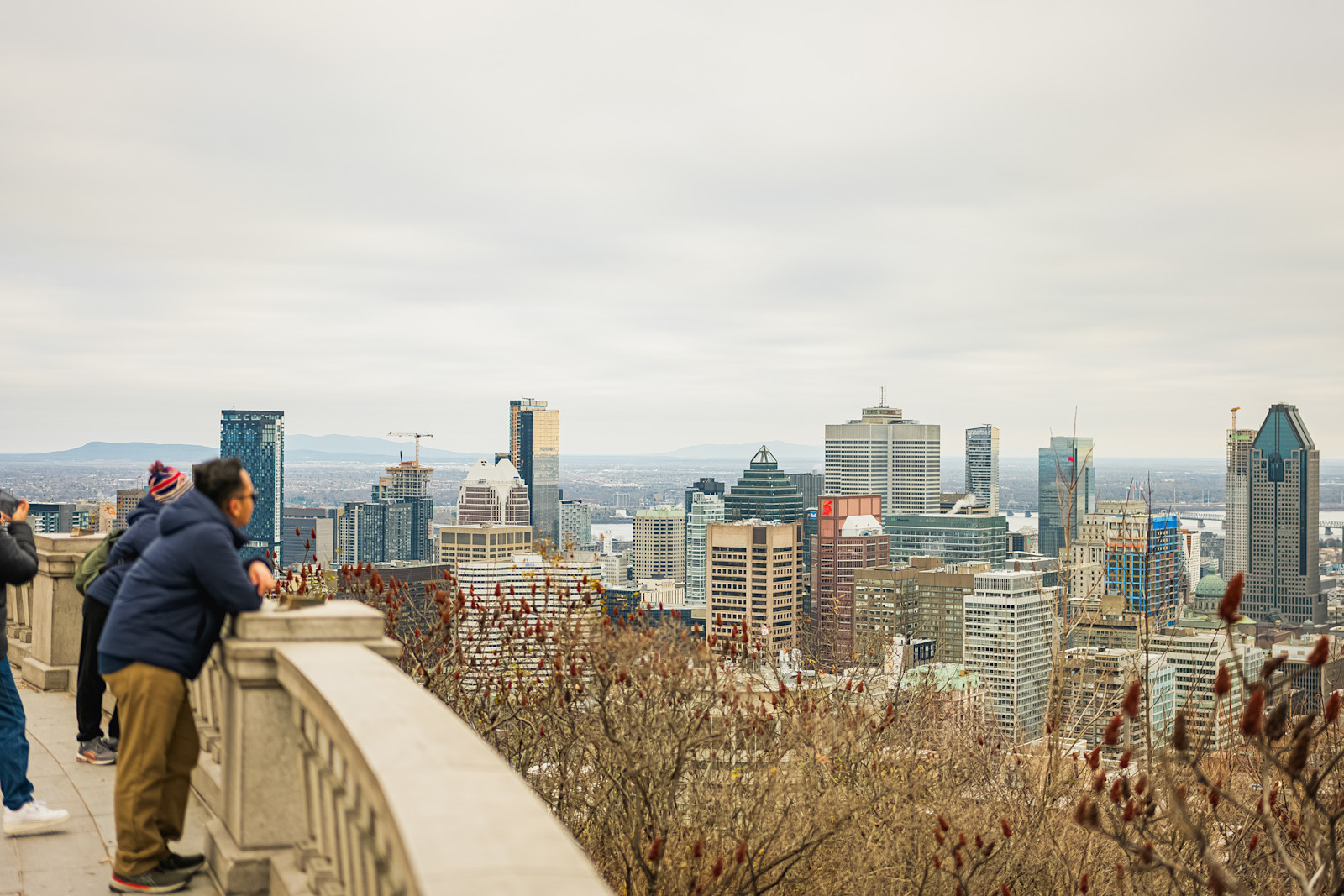
What makes Montreal compelling as a real estate market is not simply the diversity of its housing stock, but the distinct identity of the boroughs and communities themselves. Whether drawn to the historic calm of Westmount, the village-like rhythm of Pointe-Claire, the energy of the Plateau, or the architectural richness of Outremont and the Golden Square Mile, buyers here tend to choose a way of living as much as a property.
While market conditions inevitably evolve, Montreal’s strongest residential areas continue to share the same qualities that have defined the city for generations: walkability, architectural richness, community, and an enduring sense of place.